
EMAIL MARKETING
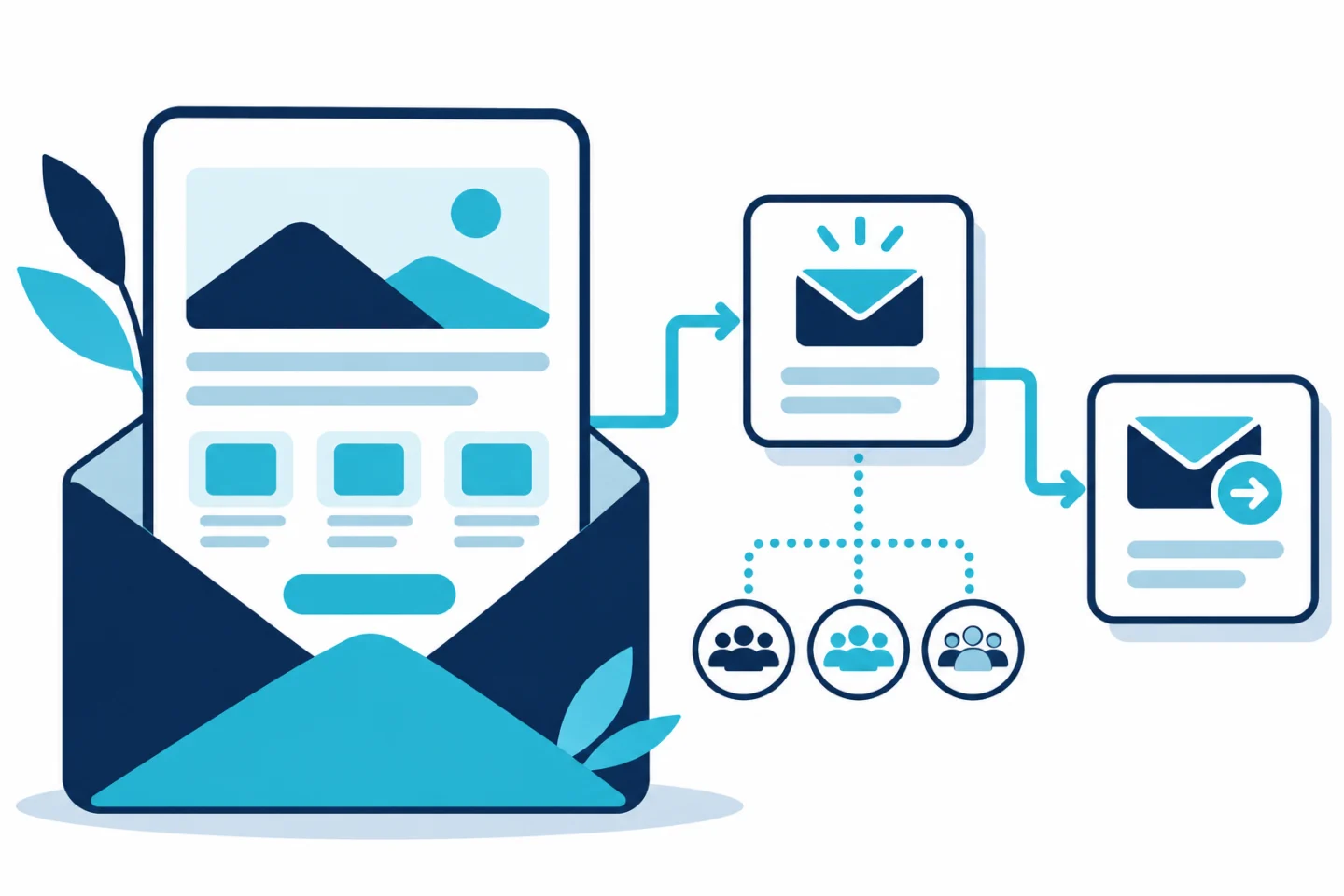
Email planning begins with who will receive the message, why they expect it and what would be useful to them. We organise the content, sequence and campaign journey around that context rather than treating send volume as evidence of success. Platform access and campaign responsibilities should be clear before any send.
Your proposal identifies the work in scope, the pages or accounts involved and who is responsible for each approval.
Review the intended recipients and the source of the contact list. Agree the purpose and appropriate preferences or permissions before planning campaigns.
Write a clear message with a relevant explanation, offer or action. Welcome emails, service updates and re-engagement messages may require different timing and content.
Prepare readable layouts and check important links, sender details and mobile presentation. Any platform-specific design or automation requirements belong in the scope.
Distinguish delivery, opens, clicks and completed actions. Review available signals against the campaign purpose and document tracking limitations.
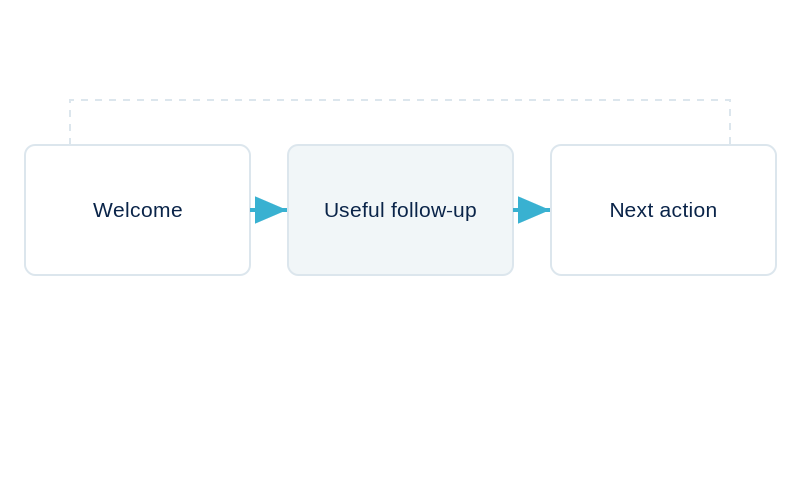
A welcome sequence should reflect why someone joined the audience. The first message might explain what to expect, point to a useful resource or introduce a relevant next step. Sending the same broad promotion immediately may not answer the recipient’s original need.
Planning includes the trigger, intended recipients, message order and any exclusions. A person who has already completed an action should not necessarily receive the same reminder as someone who has not. Those rules need to be reviewed before an automation is activated.
Copy should identify the sender honestly and make the message easy to understand. Layouts need readable text and useful links on smaller screens. Preference and unsubscribe arrangements should fit the sending platform and applicable requirements.
This is an illustrative campaign workflow. No particular sequence can guarantee inbox placement, engagement or a sale.
✓ An agreed audience and campaign purpose
✓ A content plan or sequence outline
✓ Email copy and templates within the agreed scope
✓ A reporting review with recommendations for future sends
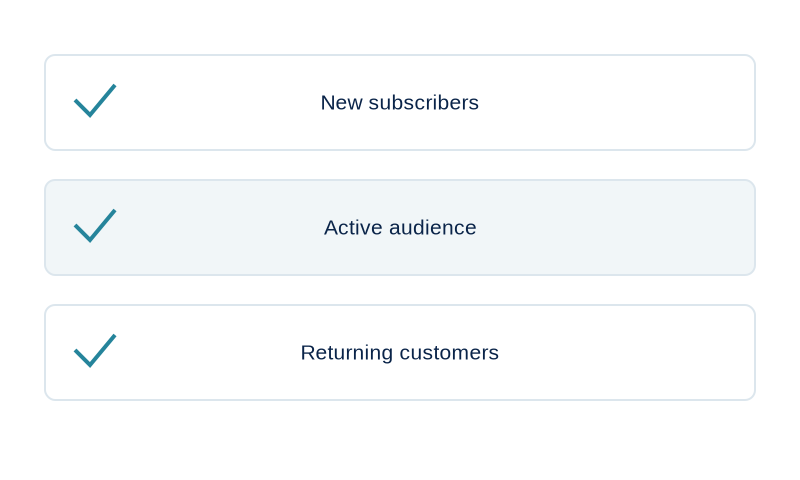
Suitable for businesses with an appropriately sourced audience and a useful reason to communicate. A purchased or scraped list is not a substitute for a relevant relationship with recipients.
Confirm the permission-based audience and purpose.
Write the message and define the next action.
Review layout, links and the agreed campaign settings.
Interpret clicks and actions alongside campaign context.
Privacy features and automated activity can affect open rates. Clicks and downstream actions also need suitable tracking and context. We do not guarantee inbox placement, open rates, leads or revenue.
Campaign reports should distinguish delivery from engagement and downstream actions. A delivered message is not proof that a person read it. An open may be affected by privacy features or automated activity, and a click does not necessarily indicate a qualified enquiry.
A useful review connects the available evidence with the original purpose. For an educational update, relevant content clicks may provide context. For an enquiry campaign, reliable form or conversion tracking may be more informative, where it is configured appropriately.
Comparisons also need care. Audience changes, campaign timing, list quality and different offers can affect results. One message’s open rate should not be compared with another campaign without considering those differences.
The next recommendation should follow from what can actually be observed. That might mean clarifying a call to action, improving the landing page or refining recipient criteria. It should not be an unsupported claim that sending more messages will produce more revenue.
The service is based on the audience and permissions agreed for the project. We do not assume purchased or scraped contacts are appropriate to use.
Automation can be scoped where the chosen platform supports it. Triggers, exclusions, copy and approval responsibilities should be documented before activation.
Depending on available access, the review can cover delivery, clicks, relevant actions and known measurement limits. The format and period are agreed before sending.
Landing-page review can be scoped alongside a campaign. The message and destination should present a consistent offer and a clear next step.
No. Reporting should explain known measurement limitations and use other relevant signals where available. Opens alone do not establish business impact.
Tell us what you want to improve. We can discuss a practical starting point, the evidence needed and a scope you can review before committing.
Tell us about your project
Complete the form below. Fields marked * are required.